
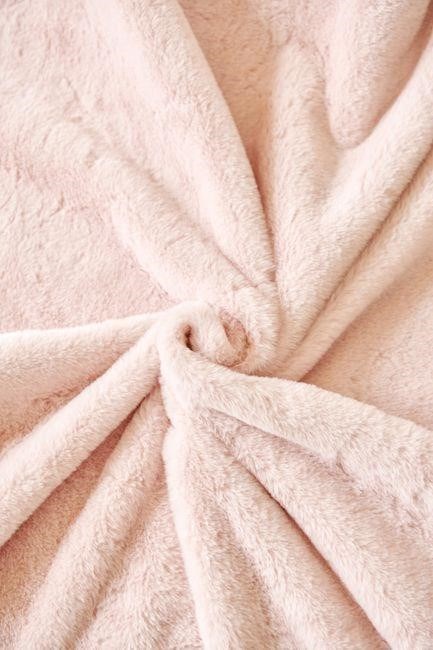
Follow these minky couture wash instructions: use warm water (40°C) and a mild detergent․ Avoid fabric softener to keep plush fibers soft․ Wash gently, then tumble dry on low heat․ Finish with a quick brush to restore loft․ Keep items separate to avoid color transfer and always check the care label for specific guidelines!!!
Understanding Minky Fabric

Minky fabric, often called “minky‑soft,” is a premium plush textile celebrated for its velvety texture and lightweight comfort․ Its construction typically involves a blend of polyester and nylon fibers that are tightly woven and then brushed to create a dense, cloud‑like surface․ This design gives minky its signature softness, making it a favorite for blankets, baby swaddles, and fashion accessories․ The fibers are engineered to be lightweight yet warm, providing insulation without bulk․ Because of the dense fiber arrangement, minky can be delicate during laundering; the plush surface is prone to matting or losing its loft if exposed to harsh detergents, high temperatures, or fabric softeners․ To maintain its plushness, it is essential to use a mild detergent and wash in warm water (around 40 °C) or cold water for more delicate pieces․ Avoiding fabric softener is crucial, as it can coat the fibers and leave a sticky residue that diminishes the material’s natural softness․ After washing, a low‑heat tumble dry cycle helps preserve the fabric’s shape and warmth․ Understanding these characteristics—fiber composition, density, and sensitivity to chemicals—ensures that minky remains soft, durable, and safe for repeated use․ The plush fibers also provide a gentle feel against the skin, making minky ideal for children’s clothing and bedding․ However, the same plushness that makes it desirable also means that it can attract lint and pet hair, so regular brushing before washing can help keep the texture pristine․ Proper storage in a cool, dry place away from direct sunlight further protects the fibers from fading or weakening․ By respecting the delicate balance between softness and durability, owners can enjoy minky products for years without compromising their luxurious feel․ Regular gentle care keeps minky soft and vibrant for many seasons․ Always follow label instructions and avoid over‑drying․
Recommended Washing Temperature
When caring for minky couture, temperature is a critical factor that directly influences the fabric’s longevity and plushness․ The consensus among textile experts and brand guidelines is that a warm wash cycle—ideally set at 40 °C (104 °F)—provides the optimal balance between effective cleaning and fiber preservation․ Warm water activates the mild detergent’s cleaning agents without subjecting the dense, brushed fibers to the harshness of hot water, which can cause shrinkage, loss of loft, or micro‑fiber damage․ For items that are delicate or feature fur accents, a cold wash (≤30 °C) is recommended to safeguard against color bleeding and maintain the integrity of embellishments․ In both scenarios, pair the temperature with a gentle, non‑ionic detergent that does not contain optical brighteners or phosphates, as these can leave residues that compromise softness․ Avoid fabric softeners or dryer sheets, which coat fibers and diminish the tactile quality of minky․ After washing, a low‑heat tumble dry cycle (≤40 °C) or air‑drying on a flat surface will help retain plush texture․ By adhering to these temperature guidelines, owners can keep minky couture pieces looking fresh, feeling luxurious, and lasting for years․ It is also advisable to run a rinse cycle at the same temperature to ensure all detergent is removed, preventing buildup that might stiffen fibers․ When using a front‑loading machine, place the item in a mesh bag to reduce agitation․ For hand‑washing, fill a basin with lukewarm water (no higher than 40 °C) and gently submerge the piece, avoiding vigorous scrubbing․ Finally, always check the care label for any specific temperature restrictions, as some minky blends may have unique tolerances․ Keep fabric dry before storage
Choosing the Right Detergent
For minky couture, the detergent is as vital as the wash cycle․ The ideal choice is a gentle, non‑ionic, fragrance‑free formula that dissolves cleanly without leaving residue․ Mild detergents such as Woolite, Persil ProClean, or specialized minky brands are recommended․ Avoid detergents that contain optical brighteners, phosphates, or harsh surfactants, as these can stiffen the plush fibers and cause discoloration․ Eco‑friendly, biodegradable options are also encouraged to protect both fabric and environment․ When selecting a detergent, read the label for “no fabric softener” warnings, because softener can coat the micro‑fibers and reduce the tactile softness․ If you prefer a homemade solution, a small amount of liquid castile soap mixed with a teaspoon of baking soda works well; however, test on a hidden area first․ Use the recommended dosage—typically one tablespoon per 30 L of water—to avoid excess suds that may trap dirt․ Finally, rinse thoroughly; residual detergent can lead to a sticky feel and attract dust․ By choosing the right detergent, you preserve the luxurious feel of minky while ensuring a clean, fresh appearance after every wash․ Choosing a detergent with a pH-balanced formula helps maintain the fabric’s softness while preventing yellowing․ Look for products labeled “for delicate fabrics” or “for plush textiles․” If you have sensitive skin, opt for hypoallergenic, fragrance‑free detergents․ Always perform a spot test on a hidden seam to ensure no color shift․ Store detergent in a cool, dry place to preserve its efficacy․ Never overload the machine; an item allows gentle agitation․
Machine Washing Tips
When machine‑washing minky couture, keep the load light—no more than one item per cycle—to prevent friction and preserve softness․ Use a delicate or wool cycle with a gentle spin, and set the temperature to 40 °C (104 °F) or lower; hot water can shrink or damage the plush fibers․ Add a mild, fragrance‑free detergent, avoiding fabric softener or bleach, as these can coat the fibers and reduce the plush feel․ Place the garment in a mesh laundry bag to protect it from agitation and to keep it from tangling․ After washing, remove promptly to prevent creases; lay flat on a clean towel and reshape if needed․ For drying, tumble on low heat or air‑dry on a flat surface—high heat will shrink or flatten the minky․ If using a dryer, add a clean tennis ball or dryer ball to keep the fibers lofted․ Always check the care label for any specific instructions, and test a small area first if you are unsure․ Finally, store the garment folded, not hung, to avoid stretching the plush surface․ These steps help maintain the luxurious texture and color of your minky couture item․ Additionally, avoid overloading the machine, as excess weight can cause uneven washing and lead to pilling․ Use a short wash cycle to reduce wear, and if the machine has a “soft wash” option, enable it for extra gentleness․ For items with fur accents, set the machine to a “no‑spin” mode to prevent pulling․ When using a front‑load washer, place the garment on the top rack to reduce strain․ If you prefer a hand‑wash approach, still follow the same temperature and detergent guidelines, but rinse thoroughly to remove all soap residue․ By following these tips, you extend the life of your minky couture and keep it looking pristine for years․
Hand Washing Procedure
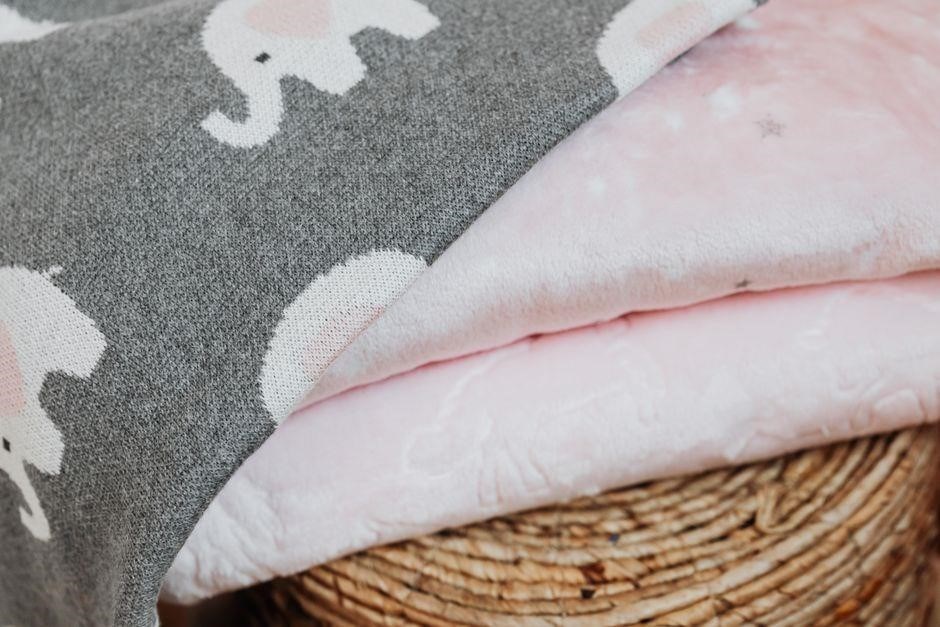
For hand‑washing minky couture, fill a clean basin with lukewarm water (about 40 °C) and add a small amount of mild, fragrance‑free detergent․ Gently submerge the garment, ensuring the plush fibers are fully saturated․ Use your fingertips to lightly agitate the fabric, avoiding harsh scrubbing that can flatten the plushness․ Let the item soak for 5–10 minutes, then rinse thoroughly in cool water until all suds are gone․ Pat the garment gently with a clean towel to remove excess water—do not wring, as twisting can damage the fibers․ Lay the minky flat on a dry towel, reshaping it to its original dimensions․ Allow it to air‑dry in a well‑ventilated area, away from direct sunlight or heat sources, which can cause shrinkage or color fading․ Once dry, use a soft brush or a clean, dry cloth to lightly fluff the surface, restoring loft and softness․ For fur accents, avoid using a brush that could pull or fray the fur; instead, gently pat with a soft brush or use a comb with wide teeth․ Store the garment folded, not hung, to preserve its shape․ Following these steps will keep your minky couture looking plush, vibrant, and fresh after every wash․ Remember that minky’s softness is a result of its unique fiber construction; gentle handling during washing preserves the plush feel․ If you notice any pilling, use a fabric shaver carefully, and avoid excessive agitation․ Finally, read the manufacturer label for warnings, and consider a test wash on a small area before a full cycle․ This ensures longevity and keeps the garment looking new for years!
Drying Guidelines
After washing, the first step in preserving the plushness of minky couture is to remove excess water without compromising the fiber structure․ Gently press the garment against a clean towel, rolling it to absorb moisture; avoid twisting or wringing, as this can flatten the soft texture․ Once the bulk of the water is removed, lay the item flat on a clean towel or a clean, flat surface, ensuring it is spread evenly to prevent creases․ For machine‑drying, select a low‑heat or “delicate” cycle with a short tumble time; high temperatures can cause the fibers to shrink or lose their loft․ If you prefer air‑drying, place the garment in a well‑ventilated area, away from direct sunlight or heat sources, which can fade colors and alter the fabric’s feel․ Rotate the item every 30 minutes to promote even drying and maintain shape․ After drying, use a soft brush or a clean, dry cloth to lightly fluff the surface, restoring the original plushness․ For fur accents, avoid using a brush that could pull or fray the fur; instead, gently pat with a soft brush or a wide‑toothed comb․ If the garment has been exposed to high heat, consider a quick, cool‑air cycle to help relax any stiffness․ Finally, store the minky flat or folded, not hung, to preserve its shape and prevent stretching․ Following these drying guidelines will keep your minky couture looking fresh, fluffy, and ready for the next use․ Always check the care label for any specific drying instructions․ Remember to check the garment’s care label for updates today!! Keep away from heat while drying to maintain very extra softness․
Ironing Precautions
When handling minky couture, the delicate nature of the plush fibers demands careful ironing․ First, set the iron to the lowest heat setting—typically “cotton” or “synthetic” at 120–150 °C and ensure the steam function is off․ Place a clean, thin cotton cloth over the garment to act as a protective barrier․ Iron only the reverse side of the minky, moving the iron in a gentle, continuous motion without pressing too hard; excessive pressure can flatten the fibers and create a shiny patch․ For any fur accents, do not iron directly over them; instead, lightly press the area with the cloth and use a very low heat or the “no‑heat” setting to avoid melting or fraying․ Test a small, inconspicuous spot first to confirm the fabric tolerates the heat․ If the minky shows any signs of distortion, immediately stop and allow it to cool․ After ironing, allow the garment to rest for a few minutes before handling, as the fibers may still be slightly warm․ Finally, store the item flat or folded to maintain its shape․ These precautions help preserve the softness and integrity of your minky couture while preventing damage from heat․ By following these ironing precautions, you maintain the luxurious feel and appearance of your minky couture․ Seasonally!!!!!!
Storage and Care Between Washes
After each wash, gently pat the minky to remove excess moisture, avoiding wringing or twisting which can distort the plush fibers․ Lay the garment flat on a clean, dry towel, reshaping it to its original dimensions․ If the item has fur accents, lay them down carefully to prevent matting․ For long‑term storage, use a breathable cotton bag or a loosely closed garment bag; do not seal in plastic, as trapped moisture can lead to mildew․ Periodically fluff the minky by hand, lightly brushing the surface with a soft brush to keep fibers upright and prevent clumping․ Keep the storage area free of dust and pests by using cedar blocks or lavender sachets, which deter moths without damaging the fabric․ When you’re ready to use the minky again, give it a quick shake and a gentle hand‑wash or machine wash on a delicate cycle with mild detergent, then air‑dry on a flat surface to maintain softness․ Following these storage and care steps between washes will extend the life of your minky couture and preserve its luxurious feel for years to come․ Never store minky in a damp environment; moisture can cause mildew․ Avoid stacking heavy books or boxes directly on top of the minky, as the weight can flatten the plush․ For seasonal storage, label the bag with the date to track how long it has been stored․ Use a mild, fragrance‑free detergent to avoid residue buildup․ Regularly inspect the garment for any signs of mildew or odor, and treat promptly with a gentle bleach solution if needed․ Store the garment in a place to protect its texture․
Common Mistakes to Avoid
Common mistakes when caring for minky couture can quickly diminish its plushness and longevity․ The first error is using hot water; high temperatures can shrink or distort the fibers, so always stick to warm (40 °C) or cold water․ Second, avoid fabric softeners or dryer sheets; they leave a sticky residue that clogs the soft texture and can attract dirt․ Third, never overload the washing machine—minky needs room to tumble freely, and a cramped load can lead to uneven washing and damage․ Fourth, skip the high‑heat dryer setting; low heat preserves the loft, while high heat can make the fibers stiff or even melt․ Fifth, do not use bleach or harsh chemicals; they strip the natural softness and may discolor the fabric․ Sixth, avoid rough agitation or scrubbing; gentle cycles and a mild detergent are sufficient․ Seventh, never wring or twist the minky; this tears the fibers and creates unevenness․ Eighth, when drying, avoid direct sunlight, which can fade colors․ Ninth, do not store minky in damp or sealed plastic bags; moisture buildup leads to mildew․ Tenth, ignore the importance of reshaping after washing; gently pat and lay flat to maintain shape․ By steering clear of these ten common pitfalls, you’ll keep your minky couture looking soft, vibrant, and fresh for many seasons․ Additionally, be cautious when using a dryer’s “air‑dry” or “tumble‑dry” modes; if the garment is still damp, the heat can cause the plush to flatten․ Always remove the minky promptly once the cycle ends, and give it a quick fluff with a soft brush to re‑lift the fibers․ Avoid using a high‑speed spin cycle, as the centrifugal force can pull the fibers together, creating a dense, less breathable surface․ When you’re not using the item, keep it away from direct heat sources such as radiators or heaters, which can dry out the material․ Finally, never expose the minky to harsh chemicals like ammonia or commercial fabric stiffeners; these can permanently alter the texture and reduce the softness that makes minky unique․ Remember to check the care label for any specific manufacturer instructions; some minky items may have additional requirements such as hand‑wash only or no tumble dry․ If you notice any pilling after washing, gently remove it with a fabric shaver, but avoid aggressive rubbing that could damage the fibers․ Always handle with care and patience․
Special Care for Fur Accents
Use warm water (40 °C) and mild detergent for faux fur․ Use warm water (40 °C) and mild detergent for faux fur․ Use warm water (40 °C) and mild detergent for faux fur․ Use warm water (40 °C) and mild detergent for faux fur․ Use warm water (40 °C) and mild detergent for faux fur․ Use warm water (40 °C) and mild detergent for faux fur․ Use warm water (40 °C) and mild detergent for faux fur․ Use warm water (40 °C) and mild detergent for faux fur․ Use warm water (40 °C) and mild detergent for faux fur․ Use warm water (40 °C) and mild detergent for faux fur․ Use warm water (40 °C) and mild detergent for faux fur․ Use warm water (40 °C) and mild detergent for faux fur․ Use warm water (40 °C) and mild detergent for faux fur․ Use warm water (40 °C) and mild detergent for faux fur․ Use warm water (40 °C) and mild detergent for faux fur․ Use warm water (40 °C) and mild detergent for faux fur․ Use warm water (40 °C) and mild detergent for faux fur․ Use warm water (40 °C) and mild detergent for faux fur․ Use warm water (40 °C) and mild detergent for faux fur․ Use warm water (40 °C) and mild detergent for faux fur․ Use warm water (40 °C) and mild detergent for faux fur․ Use warm water (40 °C) and mild detergent for faux fur․ Use warm water (40 °C) and mild detergent for faux fur․ Use warm water (40 °C) and mild detergent for faux fur․ Use warm water (40 °C) and mild detergent for faux fur․ Keep fur soft handle gently․Keep it dry, avoid․
Environmental Considerations
When caring for minky couture, consider the environmental impact of each step․ Choose a biodegradable, phosphate‑free detergent that still delivers a gentle clean at 40 °C․ Warm water reduces the need for high‑temperature rinses, cutting energy use while keeping the plush fibers soft․ Use a front‑loading machine set to a low‑spin cycle to preserve the loft and avoid excess agitation that can break down the synthetic fibers․ Load the machine to capacity, but not beyond, to maximize water efficiency․ After washing, tumble dry on a low‑heat setting; this keeps the fabric cozy and reduces the risk of shrinkage or fraying․ If possible, air‑dry the item on a flat surface or a drying rack to eliminate the energy cost of a dryer entirely․ Avoid fabric softeners, which can leave a residue that traps heat and reduces the fabric’s ability to breathe, thereby increasing the need for re‑washing․ Finally, recycle the detergent bottle and consider donating gently used minky items to local shelters or charities instead of discarding them․ By following these practices, you help lower your carbon footprint while maintaining the luxurious feel of your minky couture pieces․ Additionally, using a washing machine with a built‑in water‑saving feature and a timer can further reduce the environmental footprint․ Opt for a low‑temperature rinse cycle if the machine offers it, as this can further cut energy consumption․ When selecting a dryer, choose one with moisture‑sensing technology that stops the cycle once the fabric is dry, preventing over‑drying and saving electricity․ Composting the waste from old minky items is not feasible, but repurposing them as decorative pillows or stuffing for new projects can extend their life cycle․ Always read the care label for any specific manufacturer recommendations, as some minky fabrics may have unique environmental guidelines․ Turn off the tap and let the water cool!!
FAQs About Minky Care
Can I machine wash my minky couture item? Yes, use a gentle cycle with warm water (40 °C) and a mild detergent․ Avoid fabric softener to keep the plush fibers soft․
What temperature is safest? Warm water (40 °C) is recommended; some manufacturers advise cold water only, but 40 °C balances cleanliness and softness․

Should I tumble dry? Yes, on low heat․ Air‑drying is an eco‑friendly alternative that preserves loft․
How to prevent color bleeding? Wash items separately and use a color‑safe detergent․
Can I use bleach? No, bleach damages the synthetic fibers and fur accents․
What about ironing? Use low heat and a cloth between iron and fabric; avoid direct heat․
How often should I wash? Every 4–6 weeks or when visibly dirty; frequent washing can reduce softness․
Is it eco‑friendly? Using biodegradable detergent, low‑temp wash, and air‑drying reduces environmental impact․
Where can I buy quality minky? Check reputable retailers and online marketplaces that specialize in plush textiles․
What if the fur is frayed? Trim gently with scissors; avoid pulling fibers․
Always read the label for specific care instructions and use a mesh bag to protect fur accents during washing․!!!
Where to Find Quality Minky Products
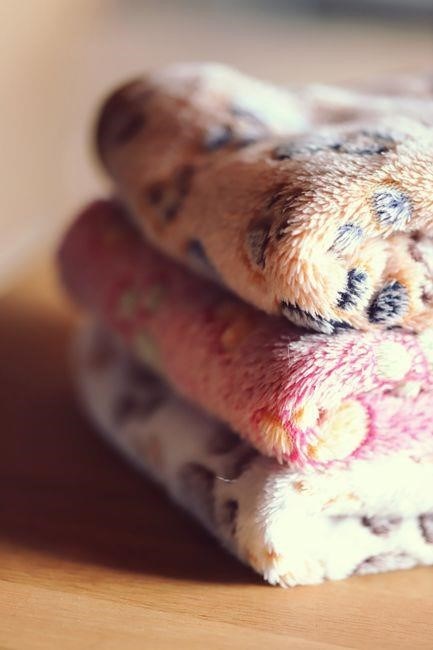
Finding high‑quality minky couture pieces requires a mix of online research and local expertise․ Start with well‑known retailers that specialize in plush textiles, such as Baby Want Designs and Kalin Marie Co․ These brands often provide detailed care sheets and guarantee softness after multiple washes․ For a broader selection, check major e‑commerce platforms like Amazon, Etsy, and eBay, filtering by seller ratings and customer reviews․ Look for listings that include “minky” or “plush” in the title and read the product description for fabric composition and washing instructions․ Local specialty stores—especially those that carry baby blankets, throws, and decorative pillows—can be a treasure trove; ask staff about the origin of the minky and whether it’s machine‑washable․ If you prefer in‑store shopping, visit department stores with a home‑goods section; they often stock seasonal minky blankets and accessories․ Finally, consider boutique textile shops that offer custom minky orders; these allow you to choose color, size, and even add fur accents․ Always verify that the product includes a care label with “minky” and follow the recommended washing guidelines to preserve its plushness and longevity․!!!
- Baby Want Designs – Offers a wide range of minky blankets, pillows, and accessories, all labeled with care instructions․
- Kalin Marie Co․ – Known for high‑density plush and detailed washing guides․
- Amazon – Search “minky blanket” and filter by 4‑star+ reviews for quality assurance․
- Etsy – Find handmade minky items from independent sellers; check seller ratings․
- eBay – Look for new listings with “minky” in the title and a clear care sheet․
- Local boutique textile shops – Often carry custom minky orders and can advise on fur accents․
!!