
This 12‑week PDF program delivers progressive drills for speed‚ agility‚ and power․ Designed for athletes aged 14‑25‚ it blends plyometrics‚ ladder work‚ and strength conditioning․ Each week builds intensity‚ tracks performance metrics‚ and offers printable layouts for easy coaching․ athletes!!!
Purpose and Expected Outcomes
Designed to elevate athletic performance‚ the 12‑week PDF program systematically enhances speed‚ agility‚ coordination‚ and lower‑limb power․ Drawing on peer‑reviewed research—such as the 2025 study on a 12‑week coordination regimen for youth basketball players—the curriculum demonstrates measurable gains in sprint velocity‚ change‑of‑direction speed‚ and dynamic flexibility․ Each week integrates progressive drills: from walking‑to‑speed transitions‚ through plant‑and‑cut sequences on both uninjured and injured limbs‚ to high‑intensity plyometrics and ladder work․ Athletes will record baseline metrics (e․g․‚ 40‑meter dash‚ T‑test‚ and vertical jump) and compare them to post‑program results‚ ensuring objective evaluation․ The expected outcomes include a 10‑15% improvement in linear speed‚ a 12‑20% reduction in change‑of‑direction time‚ and enhanced neuromuscular coordination‚ all while maintaining injury‑safe progression․ Coaches and athletes can download‚ print‚ and implement the PDF to track progress‚ adjust load‚ and celebrate milestones․
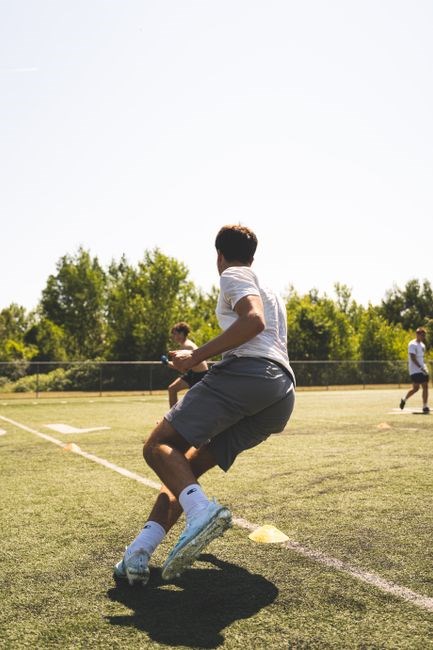
Throughout the 12‑week cycle‚ athletes receive structured feedback via digital logs‚ enabling precise load management and injury prevention․ The program also incorporates sport‑specific drills‚ such as rapid side‑shuffles and reactive sprint starts‚ to translate gains into game‑ready performance․ Coaches can tailor intensity thresholds‚ ensuring each athlete progresses safely while maximizing neuromuscular adaptations․ Additionally‚ the program tracks recovery metrics such as heart rate variability and sleep quality to fine‑tune training loads․ This data‑driven approach ensures optimal gains․
Target Athlete Profile and Prerequisites
Ideal participants are 14‑25‑year‑old athletes with a baseline of 30‑meter sprint times between 4․0‑4․5 seconds and a 20‑meter shuttle time under 3․5 seconds․ They should possess basic plyometric experience‚ such as box jumps or depth jumps‚ and be injury‑free in lower‑limb joints․ The program requires a minimum of 2‑3 training sessions per week‚ a functional strength foundation (e․g․‚ squats‚ lunges‚ and core stability)‚ and access to a 20‑meter sprint track or open field․ Athletes must also commit to daily mobility routines‚ including dynamic warm‑ups‚ hip flexor stretches‚ and ankle mobility drills‚ to support the high‑intensity load․ Coaches should verify that participants can perform a 10‑meter acceleration drill with proper form and that they understand the progression from walking to full‑speed sprints․ The curriculum emphasizes progressive overload; therefore‚ athletes should be able to handle 70‑80% of their one‑rep max in squats or deadlifts before advancing to the third week․ A pre‑program screening—covering range of motion‚ balance‚ and core activation—ensures readiness and reduces injury risk․ Participants who meet these prerequisites will experience the full benefits of the PDF’s structured‚ evidence‑based approach‚ achieving measurable improvements in speed‚ agility‚ and neuromuscular coordination․ By integrating these drills‚ athletes develop a neuromuscular base that improves speed‚ agility‚ and on‑court decision making in competitive play!!․ Consistency is key to long‑term gains daily!!․!

Program Structure Overview
The 12‑week PDF is segmented into four progressive phases‚ each lasting three weeks․ Phase I focuses on technique and activation‚ incorporating walking‑to‑speed drills‚ dynamic warm‑ups‚ and basic ladder patterns․ Phase II ramps up intensity with acceleration blocks‚ plyometric depth jumps‚ and change‑of‑direction circuits․ Phase III introduces sport‑specific agility ladders‚ sprint‑intervals‚ and reactive drills‚ while Phase IV consolidates gains through high‑intensity interval training‚ strength‑conditioning combos‚ and recovery protocols․ Each week’s load is calibrated by a 5‑point rating system: 1 = light‚ 2 = moderate‚ 3 = heavy‚ 4 = very heavy‚ 5 = max; Athletes log sprint times‚ shuttle scores‚ and perceived exertion to track progress․ The PDF contains printable schematics‚ video links‚ and a weekly checklist to ensure adherence․ Coaches can adjust volume by adding or removing sets‚ and the program’s modular design allows integration with existing strength regimens․ By the end of week 12‚ participants should exhibit a 10 % improvement in 20‑meter sprint speed‚ a 15 % reduction in change‑of‑direction time‚ and enhanced neuromuscular coordination‚ as validated by the pre‑and post‑program assessments documented in the PDF․ This structure guarantees a systematic‚ evidence‑based progression that aligns with the latest sports science findings on speed and agility training․ The program includes periodization tables‚ recovery guidelines‚ tips for athletes today․
Key Performance Metrics for Progress Evaluation
To gauge the effectiveness of the 12‑week PDF‚ athletes record objective data at baseline and every third week․ Core metrics include a 20‑meter sprint time (seconds)‚ a 5‑cone shuttle (seconds)‚ the T‑test (seconds)‚ and a 10‑meter acceleration (seconds)․ Vertical jump height (cm) and reactive agility (time from stimulus to first cut) are logged via a smartphone app․ Coaches also assess perceived exertion on a 1‑10 scale after each session‚ and weekly body composition changes using skinfold calipers․ The PDF provides a spreadsheet template where athletes input raw values; the program automatically calculates percent improvements regression․ A visual dashboard plots sprint velocity curves‚ ladder drill repetitions‚ and strength‑conditioning load‚ allowing instant feedback․ By week 12‚ the target is a 10 % faster 20‑m sprint‚ a 12 % faster T‑test‚ and a 15 % increase in vertical jump․ These benchmarks align with peer‑reviewed studies cited in the PDF‚ ensuring evidence‑based progression․ Consistent data entry is mandatory; missing entries trigger a reminder email from the program’s built‑in system․
Program adherence is monitored through weekly check‑ins‚ where athletes report perceived fatigue‚ injury status‚ and training load․ Coaches analyze trends to adjust volume‚ ensuring progressive overload while preventing overtraining․ The PDF includes a log sheet and linking to a dashboard that syncs data in real time‚ enabling instant coaching decisions and fostering accountability!!!!!

Weekly Training Framework
The 12‑week PDF schedules 5 training days: Day 1 focuses on warm‑up and technique‚ Day 2 on plyometrics‚ Day 3 on ladder drills‚ Day 4 on strength‚ Day 5 on recovery․ Weekly volume increases by 10 % each cycle‚ ensuring progressive overload and injury prevention!!
Day 1 Warm‑Up and Technical Drills
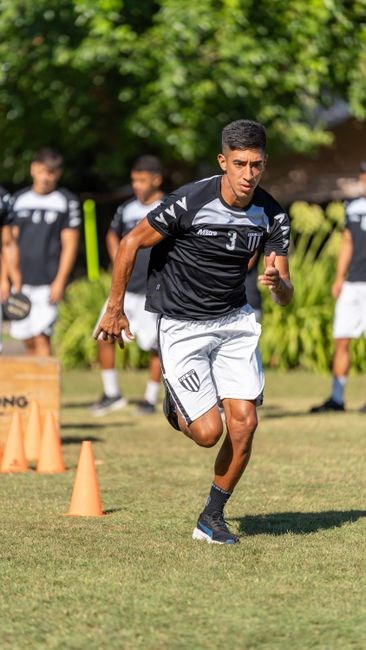
Begin each session with a 10‑minute dynamic warm‑up that includes high‑knee marches‚ butt‑kicks‚ lateral shuffles‚ and arm circles to elevate heart rate and mobilize joints․ Follow with a ladder sequence: 2‑step in‑and‑out‚ lateral side‑step‚ and forward‑backward hops to prime foot speed․ Next‚ perform 4 sets of 30‑meter accelerations from a walk to full sprint‚ focusing on explosive drive and proper stride mechanics․ Incorporate a plant‑and‑cut drill: run forward‚ plant the uninjured limb‚ pivot 90°‚ and accelerate back‚ repeating 5 times per leg․ Finish with a 5‑minute cool‑down of light jogging and static stretches targeting calves‚ hamstrings‚ and hip flexors․ This foundation builds the neuromuscular coordination required for the program’s later phases․ To further enhance proprioception‚ incorporate a 3‑minute balance circuit on a BOSU ball‚ alternating single‑leg stance and dynamic lunges․ Integrate a 4‑round circuit of high‑speed cone drills: set up 5 cones in a zig‑zag pattern‚ sprint to each cone‚ touch the ground‚ and return to the start‚ focusing on quick foot turnover․ Conclude the session with a 2‑minute core stability routine: planks‚ side planks‚ and bird‑dog exercises to reinforce a stable kinetic chain․ This structured warm‑up sequence primes the nervous system for explosive performance gains!
Day 2 Plyometric and Acceleration Workouts
Start with a 5‑minute light jog and dynamic stretches to prepare the lower body․ Transition into a 10‑minute plyometric circuit: 3 sets of 8 depth jumps from a 30‑cm box‚ 3 sets of 10 bounding strides‚ and 3 sets of 12 alternating single‑leg hops; Focus on soft landings and rapid push‑off․ After a 2‑minute rest‚ move to acceleration work: 4 sets of 20‑meter sprints from a standing start‚ emphasizing a 3‑step drive and maximal stride length․ Between sets‚ perform 30‑second high‑intensity sled pushes to reinforce power transfer․ Next‚ incorporate a 5‑minute “speed ladder” drill: sprint to a 5‑meter marker‚ plant the foot‚ pivot 180°‚ and sprint back‚ repeating 6 times․ Finish with a 3‑minute cooldown of light jogging‚ static hamstring and quad stretches‚ and a brief foam‑rolling session for the calves․ This day builds explosive strength‚ improves neuromuscular coordination‚ and sets the stage for the program’s agility focus․ The training protocol emphasizes progressive overload‚ ensuring each drill intensifies as athletes adapt․ By integrating neuromuscular cues‚ athletes refine technique‚ reduce injury risk‚ and elevate performance metrics․ Coaches should monitor fatigue‚ adjust volume‚ and provide feedback to maintain optimal load․ This holistic approach fosters sustainable gains‚ preparing athletes for competitive demands․
Day 3 Agility Ladder and Change-of-Direction Sessions
Begin with a 5‑minute dynamic warm‑up: high knees‚ butt kicks‚ and lateral shuffles․ Lay the agility ladder on a flat surface; perform 4 rounds of the “two‑foot in‚ two‑foot out” drill‚ focusing on quick foot placement and maintaining a low center of gravity․ Next‚ execute the “in‑in‑out‑out” pattern‚ emphasizing rapid direction changes and controlled deceleration․ Transition to a 3‑minute cone circuit: set 6 cones in a zig‑zag formation‚ sprint to the first cone‚ shuffle sideways to the second‚ backpedal to the third‚ and sprint to the fourth‚ repeating for 3 sets․ Incorporate a 2‑minute “box drill” using a 5‑meter square: sprint to the corner‚ pivot 90°‚ sprint to the next corner‚ and repeat‚ ensuring sharp turns․ Finish with a 4‑minute “ladder plus” drill: combine ladder steps with a 10‑meter sprint‚ then a 5‑meter backpedal‚ repeating 6 times․ Cool down with static stretches for calves‚ hamstrings‚ and hip flexors‚ and a brief foam‑roll of the quads․ This session targets lateral quickness‚ reaction time‚ and efficient change‑of‑direction mechanics‚ essential for sports requiring rapid directional shifts․ Coaches should monitor foot speed‚ stride length‚ and body alignment‚ adjusting technique cues to maximize performance gains․ Additionally‚ implement a 3‑minute “zig‑zag sprint” where athletes sprint forward‚ pivot 180°‚ and sprint back‚ focusing on maintaining speed through the turn․ Include a 2‑minute “reaction drill” where a coach calls out a direction‚ and athletes must change direction instantly‚ improving decision speed․ End with a 5‑minute cool‑down jog and dynamic stretches‚ reinforcing flexibility and reducing DOMS․ This comprehensive approach ensures athletes develop explosive lateral movement‚ precise footwork‚ and rapid acceleration‚ translating to superior on‑field performance․
Day 4 Strength Conditioning Focus
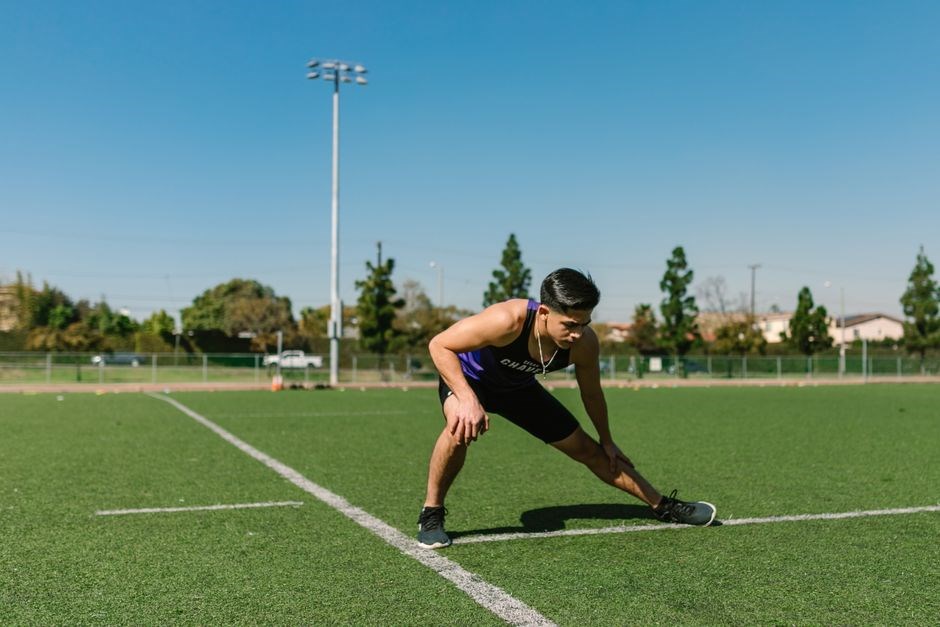
Day four centers on power‑based strength that fuels acceleration and cutting․ Begin with a 5‑minute mobility routine: hip circles‚ ankle dorsiflexion‚ thoracic rotations‚ and dynamic hamstring stretches․ Move into a compound block: 3 sets of 5 reps each – back squat‚ Romanian deadlift‚ and Bulgarian split squat – keeping RPE 7‑8 and a controlled descent․ Follow with 3 sets of 8 reps of a power‑clean variation‚ focusing on a rapid hip extension‚ a full range of motion‚ and a clean catch․ Transition to a unilateral plyometric circuit: 3 sets of 6 single‑leg bounds‚ 6 single‑leg hops‚ and 6 single‑leg lateral lunges‚ each with a 2‑second pause at the bottom to build eccentric strength․ Core work includes 3 sets of 12 V‑ups‚ 3 sets of 10 side planks per side‚ and 3 sets of 15 Russian twists with a medicine ball‚ emphasizing a neutral spine and controlled breathing․ Finish with a 5‑minute cool‑down jog and static stretches for quads‚ hamstrings‚ glutes‚ and calves․ Emphasize proper form‚ controlled eccentric phases‚ and a tight core throughout․ Coaches should track bar velocity‚ squat depth‚ and core activation to ensure progressive overload while preventing injury․ This session builds muscular power‚ joint stability‚ neuromuscular efficiency‚ and explosive strength‚ directly translating to faster starts‚ sharper directional changes‚ and improved on‑field performance․
Accessory work targets the posterior chain and core stability: 3 sets of 8 hip thrusts‚ 3 sets of 10 cable pull‑throughs‚ and a 2‑minute farmer’s walk at 70% of 1RM․ Rest intervals of 90‑120 seconds between sets allow full recovery for maximal force production․ Progression is achieved by adding 2․5–5 kg each week to the back squat and deadlift‚ while maintaining form․ Athletes should also incorporate a 30‑second sprint at 80% effort after the strength block to reinforce the transfer of power to speed․ Monitoring heart rate zones during the session ensures that athletes stay within the anaerobic threshold‚ optimizing adaptations for explosive performance․ Movements focus speed․
Day 5 Active Recovery and Mobility Exercises
Day five prioritizes low‑intensity movement to reset the nervous system and restore joint range․ Begin with a 10‑minute light jog or brisk walk‚ followed by 15 minutes of dynamic mobility: hip openers‚ thoracic extensions‚ ankle dorsiflexion drills‚ and shoulder circles․ Transition to a 20‑minute mobility circuit: 3 rounds of 10 reps each – deep squat holds‚ pigeon stretches‚ and supine hamstring curls – holding each for 30 seconds․ Incorporate foam‑rolling for quads‚ IT band‚ glutes‚ and calves‚ spending 2 minutes per muscle group․ Add 5 minutes of yoga flow: downward dog‚ warrior II‚ and pigeon pose‚ focusing on breath control․ Finish with 5 minutes of static stretching targeting hamstrings‚ quadriceps‚ calves‚ and gluteal muscles‚ holding each stretch for 45 seconds․ Cool down with 5 minutes of diaphragmatic breathing and gentle walking․ This routine reduces lactate accumulation‚ improves circulation‚ and promotes neuromuscular recovery‚ ensuring athletes return to high‑intensity sessions refreshed and injury‑free․ Recovery protocols are essential for sustained performance gains․ Recovery is key․
Active recovery also includes single‑leg balance on a BOSU ball‚ dynamic hip rotations‚ and controlled eccentric calf raises to improve joint stability․ Add 10 minutes of low‑intensity cycling or rowing to elevate heart rate without strain․ This routine promotes blood flow‚ reduces soreness‚ and primes the neuromuscular system for the next high‑intensity session!!
Hydrate and listen to your body during recovery today
Weekly Volume and Intensity Progression Plan
Volume and intensity progressions are scaffolded over 12 weeks․ Weeks 1–3 establish a baseline: 3–4 sessions per week‚ 60–70% of one‑rep max for strength‚ 70–80% sprint velocity‚ and 3–4 sets of 8–10 reps for agility․ Total load capped at 8–10 hours‚ with active recovery on day five․ Each week’s load balances neural adaptation and hypertrophy every day!․
Weeks 4–6 introduce a 10–15% load increase․ Strength: 4–5 sets of 6–8 reps at 75–80% 1RM․ Sprint blocks: 4–5 reps of 30‑m accelerations at 85–90% effort․ Agility: add a second circuit; ladder work 3–4 reps of 8‑10․ Volume to 10–12 hours․ The progressive load ensures endurance while maintaining joint integrity․
Weeks 7–9 elevate intensity: strength 5–6 sets of 4–6 reps at 80–85% 1RM․ Sprint velocity 90–95% effort․ Plyometric jumps added․ Agility circuits 3–4 rounds of 12–15 reps; ladder drills 95% speed․ Load peaks at 12–14 hours․ This phase primes explosive power and sharpens reaction time for play․
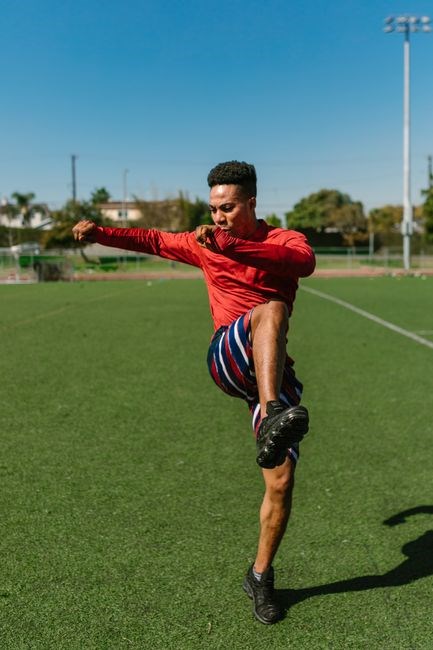
Weeks 10–12 peak and taper․ Strength: 3–4 sets of 3–5 reps at 85–90% 1RM․ Sprint: 5–6 reps of 20‑m maximal sprints at 95–100% effort․ Agility and ladder drills at 95% speed․ Volume tapered to 10–12 hours for supercompensation․ The taper phase reduces volume‚ allowing recovery and peak performance
Progress is tracked via weekly logs: sprint times‚ agility scores‚ and strength reps․ Adjustments are based on fatigue and recovery․ The plan ensures progressive overload while safeguarding joint health and neuromuscular readiness․ Stay on! Consistency is key!․
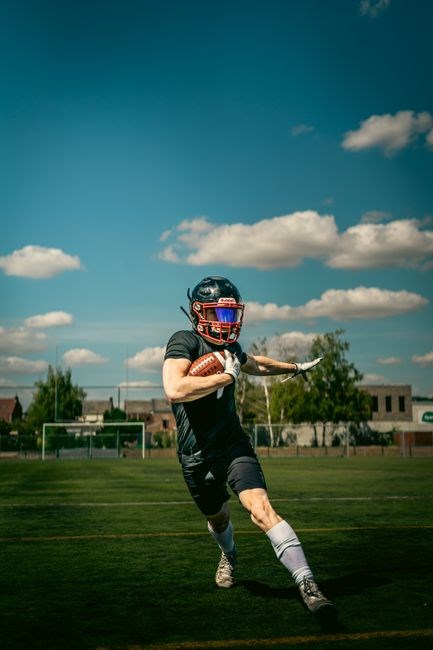
Sample PDF Layout and Exercise Illustrations
Each PDF page features a clean grid: header‚ week number‚ day breakdown‚ drill icons‚ and printable checklists․ Illustrations show proper form for sprints‚ ladder drills‚ and plyometrics․ Color‑coded sections aid quick reference during training․ Downloadable‚ print‑friendly
PDF Download and Print Options
Download the complete 12‑week speed and agility program as a single PDF file․ The document is designed for both on‑screen and print use‚ featuring high‑resolution diagrams‚ clear metrics‚ and printable checklists․ Click the prominent Download PDF button at the top of the page to save the file (≈4․2 MB)․ Open it with any standard PDF viewer such as Adobe Acrobat Reader‚ Foxit‚ or Preview․ The layout is divided into twelve weekly sections‚ each with day‑by‑day drills‚ warm‑up routines‚ and performance tables․ For coaches who prefer a hard copy‚ the PDF includes a dedicated “Print Instructions” page that recommends 8․5″ × 11″ paper‚ duplex printing‚ and 1‑inch margins for notes․ To print‚ choose “Print” from the PDF menu‚ enable “Fit to Page‚” and select your printer․ The file also offers a “Print Preview” mode where you can toggle drill icons‚ metric tables‚ and progress trackers․ For mobile users‚ the PDF is fully responsive; tap the “Share” icon to send the file via email‚ cloud storage‚ or messaging apps․ Additionally‚ a companion set of print‑ready worksheets is available‚ providing large headers‚ ample space for athlete names‚ and checkboxes to mark completed drills․ This dual‑format approach ensures you can stay organized and track progress whether training in a gym‚on a field‚ or at home․
Additional resources and support are available upon request․ Contact us for coaching tips‚ video tutorials‚ and personalized feedback․ Stay motivated and reach your speed and agility goals!
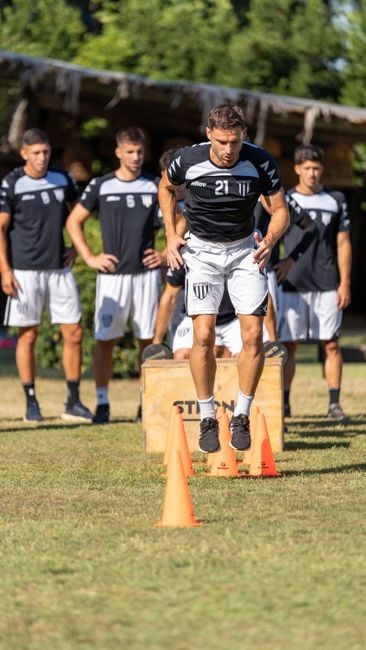
Remember to review progress weekly intensity needed for optimal results․!!!?
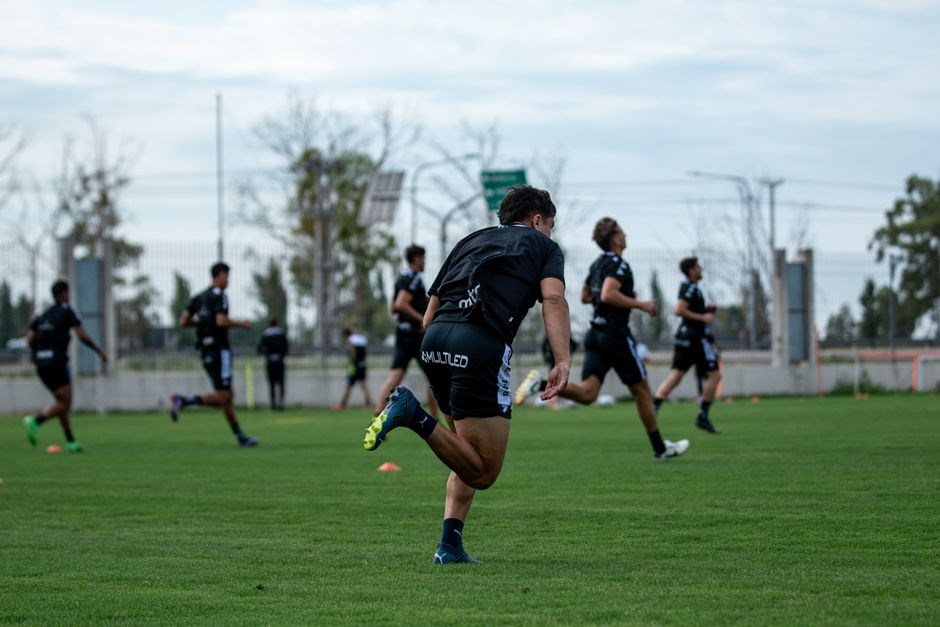
Implementation Resources and Support
For seamless integration of the 12‑week speed and agility PDF program‚ a suite of resources is available․ First‚ the downloadable PDF contains a detailed week‑by‑week schedule‚ drill illustrations‚ and performance tracking sheets․ Coaches can print the “Print‑Ready” version or use the digital file on tablets and laptops․ Second‚ a dedicated online portal hosts instructional videos for each drill‚ hosted on a secure platform․ These videos demonstrate proper technique‚ common mistakes‚ and safety guidelines․ Third‚ a community forum allows athletes and coaches to share progress‚ ask questions‚ and receive peer feedback․ Moderated by certified strength and conditioning specialists‚ the forum ensures accurate information․ Fourth‚ a mobile app syncs with the PDF‚ sending reminders‚ logging completed workouts‚ and providing real‑time analytics․ The app also offers push notifications for rest days and injury prevention tips․ Finally‚ a quarterly live webinar series covers advanced topics such as periodization‚ injury prevention‚ and sport‑specific adaptations․ Participants can interact with experts and receive personalized advice․ All resources are updated annually to reflect the latest research‚ including findings from the 2025 study on coordination training outcomes․ By leveraging these tools‚ athletes can maintain consistency‚ track improvement‚ and achieve measurable gains in speed‚ agility‚ and overall athletic performance․ Additionally‚ a comprehensive FAQ section addresses common concerns about equipment‚ injury risk‚ and nutrition․ The FAQ is searchable and updated monthly․ For those seeking one‑on‑one guidance‚ a paid coaching package is available‚ offering personalized program tweaks‚ video analysis‚ and bi‑weekly check‑ins․ All services are priced competitively and include a satisfaction guarantee․ By combining these resources‚ the program becomes a turnkey solution for athletes‚ coaches‚ and trainers aiming to elevate performance while minimizing downtime․ This integrated approach ensures that every athlete‚ regardless of experience‚ has the tools and support needed to reach peak performance safely!