
Medication Management: A Comprehensive Guide & Worksheet Overview
Navigating prescriptions demands organization; a medication management worksheet PDF empowers proactive healthcare, fostering safety and adherence for optimal well-being and peace of mind.
What is Medication Management?
Medication management extends far beyond simply taking pills; It’s a holistic, patient-centered approach designed to ensure individuals receive the maximum benefit from their medications, while minimizing potential harm. This involves actively understanding what medications are prescribed, why they’re needed, how to take them correctly, and when to expect results.
Effective medication management isn’t a passive process. It requires consistent review, monitoring for side effects, and open communication with healthcare providers. A crucial component often involves utilizing tools like a medication management worksheet PDF to systematically record vital information.
This worksheet isn’t just about listing drugs; it’s about creating a personalized system. It helps track dosages, schedules, potential interactions, and refill dates. Ultimately, successful medication management empowers individuals to take control of their health, leading to improved outcomes and a better quality of life. It’s about being an active participant in your own care.
Why is Effective Medication Management Crucial?
Effective medication management is paramount for several critical reasons. Poor adherence to prescribed regimens can lead to worsening health conditions, increased hospitalizations, and a diminished quality of life; Mistakes in dosage or timing can have serious, even life-threatening, consequences. Utilizing a medication management worksheet PDF significantly reduces these risks.
Furthermore, many individuals manage multiple medications – a situation known as polypharmacy – increasing the potential for harmful drug interactions. A structured approach, facilitated by a worksheet, helps identify and mitigate these dangers.
Beyond safety, proper management optimizes treatment efficacy. When medications are taken as directed, they’re more likely to achieve their intended therapeutic effect. A worksheet promotes organization and recall, ensuring no dose is missed or duplicated. It’s a proactive step towards better health, empowering patients and supporting positive outcomes, ultimately reducing healthcare costs.

Understanding Your Medications
Detailed medication knowledge is key; a medication management worksheet PDF aids comprehension of purpose, dosage, and potential interactions, promoting informed self-care and safety.
Medication List Creation: The Foundation
Embarking on effective medication management begins with a comprehensive list – the cornerstone of safety and organization. A medication management worksheet PDF provides a structured format to meticulously document every medication you take, including prescriptions, over-the-counter drugs, vitamins, and supplements.
This isn’t simply jotting down names; detail is paramount. Include the medication’s brand and generic name, the prescribing doctor, the reason you’re taking it, and the dosage. Don’t forget to note the form – is it a pill, liquid, cream, or injection? Accurate recording prevents errors and facilitates clear communication with healthcare providers.
A well-maintained list, facilitated by a medication management worksheet PDF, is invaluable during doctor’s appointments, hospital visits, or when consulting with a pharmacist. It empowers you to actively participate in your healthcare and ensures everyone involved has a complete and accurate understanding of your medication regimen. Regularly updating this list is crucial, reflecting any changes in your prescriptions or healthcare plan.
Decoding Prescription Labels
Prescription labels are vital sources of information, yet often confusing. A medication management worksheet PDF can assist in systematically breaking down each component, ensuring you understand precisely how to take your medication safely and effectively. Beyond the medication name, pay close attention to the dosage instructions – how much to take, and how often.
The label also includes crucial details like the route of administration (e.g., by mouth, topical application), and any specific instructions regarding food or other medications. Understanding the “Rx” number and refill information is also important for tracking and managing your prescriptions. A medication management worksheet PDF provides dedicated space to record these details.
Don’t hesitate to ask your pharmacist to clarify any unclear instructions. Utilizing the worksheet to actively transcribe and interpret the label’s information reinforces understanding and minimizes the risk of medication errors; Proactive decoding empowers you to take control of your health and adhere to your prescribed regimen.
Understanding Medication Forms (Pills, Liquids, Injections)

Medications come in diverse forms – pills, liquids, injections, creams, and more – each requiring specific handling and administration techniques. A medication management worksheet PDF facilitates documenting these nuances for each prescribed drug. Note whether a medication is a standard tablet, a capsule, an extended-release formulation, or a liquid suspension, as this impacts timing and effectiveness.
Injections necessitate understanding the correct injection site and technique, while topical creams require specific application instructions. The worksheet allows space to record these details, alongside any special storage requirements (e.g., refrigeration). Recognizing the form is crucial for accurate dosage and absorption.
Furthermore, consider any potential interactions between different forms, or difficulties you may experience with a particular form (e.g., swallowing pills). A well-maintained medication management worksheet PDF serves as a comprehensive reference, promoting safe and consistent medication use, tailored to your individual needs and abilities.

Building a Medication Management System
Establishing a robust system, aided by a medication management worksheet PDF, streamlines adherence, minimizes errors, and promotes proactive health oversight for lasting wellness.
Setting Reminders & Routines
Consistent medication adherence hinges on reliable reminders and established routines. Integrating a medication management worksheet PDF into this process is incredibly beneficial. Begin by identifying optimal times for each medication, aligning them with daily activities – mealtimes, waking up, or bedtime, for example.

Utilize various reminder methods: smartphone alarms, calendar notifications, or even traditional methods like sticky notes. The worksheet serves as a central hub to document these scheduled times. Don’t just note when to take the medication, but also how – with food, without food, or with plenty of water.
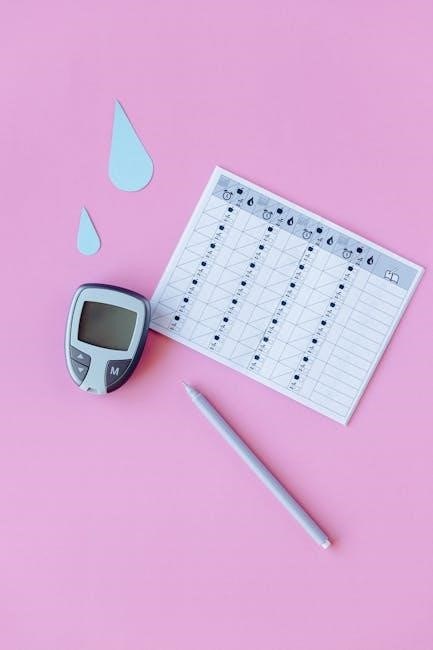
Routines minimize the chance of missed doses. Link medication intake to existing habits. For instance, always take your morning pill with your coffee. Regularly review and adjust your reminders and routines as needed, especially after changes in schedule or medication. A completed medication management worksheet PDF provides a clear overview, facilitating these adjustments and ensuring continued adherence.
Using Pill Organizers & Other Tools
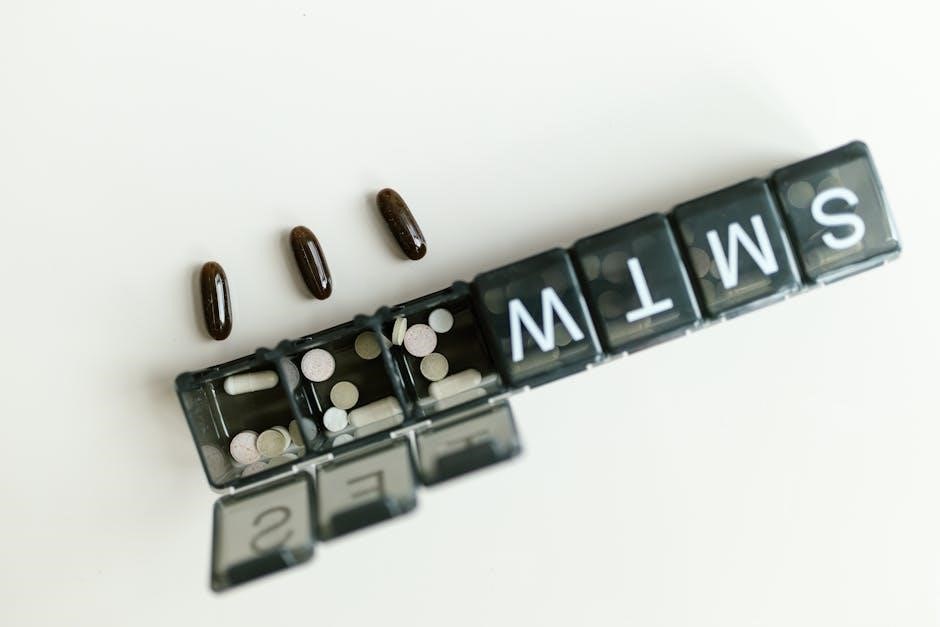
Pill organizers are invaluable aids in medication management, complementing the detailed information tracked in a medication management worksheet PDF. Weekly or monthly organizers pre-sort medications, reducing confusion and the risk of double-dosing or missed doses. Choose an organizer that suits your needs – consider size, compartment layout, and portability.
Beyond pill organizers, explore automated medication dispensers, particularly helpful for complex regimens. Smartphone apps designed for medication tracking offer additional features like refill reminders and interaction checkers. However, always verify app information with your pharmacist or doctor.
The medication management worksheet PDF becomes the master record, detailing which medications go into which compartments of the organizer, or are programmed into the dispenser. Regularly cross-reference the worksheet with the physical organizer to ensure accuracy. These tools, used in conjunction, empower you to take control of your medication schedule and maintain optimal health.
Integrating Medication Management into Daily Life
Successful medication management isn’t a separate task; it’s woven into your routine. Leverage your medication management worksheet PDF to identify optimal times for medication based on your daily activities. Link taking pills to existing habits – with breakfast, before bedtime, or while brushing your teeth – to build consistency.
Minimize disruptions by preparing weekly pill organizers based on the worksheet’s schedule. Inform family members or caregivers about your regimen, especially if assistance is needed. Keep medications in a consistent, easily accessible location.
Regularly review your medication management worksheet PDF – perhaps monthly – to account for changes in dosage or new prescriptions. Don’t hesitate to discuss challenges with your pharmacist or doctor. Proactive integration transforms medication management from a chore into a seamless part of a healthier lifestyle, promoting adherence and well-being.

Potential Challenges & Solutions
Unexpected hurdles arise; a completed medication management worksheet PDF provides a clear overview, aiding communication with healthcare providers for swift, informed problem-solving.
Dealing with Side Effects
Documenting adverse reactions is crucial. Your medication management worksheet PDF should include a dedicated section to meticulously record any side effects experienced, noting their severity, onset, and duration. This detailed log isn’t just for your personal awareness; it’s vital information to share with your physician.
Clearly articulating these experiences allows for informed decisions regarding dosage adjustments, alternative medications, or supportive therapies. Don’t dismiss seemingly minor side effects – they can be indicators of a larger issue. The worksheet facilitates a structured conversation, preventing crucial details from being overlooked during appointments.
Furthermore, the worksheet can help differentiate between side effects and potential interactions with other medications or supplements you’re taking. By having a comprehensive record, you and your healthcare provider can collaboratively develop a plan to manage side effects effectively, improving your overall treatment experience and adherence to your medication regimen. Proactive documentation empowers you to be an active participant in your healthcare journey.
Managing Multiple Medications (Polypharmacy)
Polypharmacy presents unique challenges; a robust medication management worksheet PDF becomes indispensable. It’s not simply about listing medications, but detailing potential interactions. The worksheet should prompt you to record all medications – prescribed, over-the-counter, vitamins, and supplements – to provide a complete picture for your doctor.
Dedicated columns for noting the prescribing physician for each medication are essential, facilitating communication and preventing duplication. The worksheet should also include space to identify the purpose of each medication, helping you understand why you’re taking it and avoid unnecessary discontinuation.
Carefully tracking dosage times and potential food or drug interactions within the worksheet minimizes risks. Regularly reviewing this information with your healthcare provider can identify opportunities to simplify your regimen, reduce potential side effects, and improve adherence. A well-maintained worksheet empowers you to navigate the complexities of polypharmacy safely and effectively, promoting better health outcomes.
Travel & Medication Management
Traveling with medication requires meticulous planning, and a comprehensive medication management worksheet PDF is your essential travel companion. Begin by verifying the legality of your medications in your destination country – regulations vary significantly. The worksheet should detail both generic and brand names, crucial for international pharmacies.
Always pack medications in their original, labeled containers. Your worksheet should include a copy of your prescriptions, separate from the medication itself, safeguarding against loss or theft. Note the quantity of each medication and anticipated refill needs during your trip.
Consider carrying a letter from your doctor, especially for controlled substances, explaining your medical necessity. The worksheet can also document emergency contact information for your healthcare provider. Properly utilizing a worksheet ensures you have sufficient medication, avoids legal issues, and maintains continuity of care while exploring the world, promoting a worry-free journey.
The Medication Management Worksheet: A Deep Dive
Our detailed worksheet PDF streamlines medication oversight, offering a centralized hub for crucial details, promoting safety, and empowering informed healthcare decisions for you and loved ones.
Worksheet Section 1: Medication Details
Section one of the medication management worksheet PDF focuses on comprehensively documenting each medication. Begin by clearly writing the medication’s name – both brand and generic, if known – to avoid confusion. Next, meticulously record the purpose of the medication; what condition is it treating, or what symptom is it managing? This context is vital.
Include the prescribing doctor’s name and their contact information for easy communication. Note the date the medication was initially prescribed, as this helps track long-term usage. A crucial element is documenting any known allergies or adverse reactions you’ve experienced with this or similar medications. Be specific!
Finally, add any special instructions provided by your doctor or pharmacist, such as taking with food or avoiding certain substances. This section establishes a foundational record, ensuring all essential information is readily available for healthcare providers or in case of emergencies. Accuracy is paramount here; double-check all entries!
Worksheet Section 2: Dosage & Timing
Section two of your medication management worksheet PDF dives into the specifics of how to take each medication; Precisely record the dosage – for example, “20mg” or “5ml” – using the units specified on your prescription. Clearly indicate the frequency: is it once daily, twice daily, or another schedule? Be unambiguous.
Detail the timing of each dose. Note whether it should be taken “with meals,” “before bed,” or at a specific time of day. Specify how the medication is administered – by mouth, injection, topical application, etc. If using a device like an inhaler, briefly describe the technique.
Include a space to note any adjustments to dosage or timing made by your doctor. Finally, a “last taken” column allows you to track adherence and identify any missed doses. Consistent and accurate recording in this section is critical for maximizing medication effectiveness and minimizing potential errors.

Worksheet Section 3: Refill Information & Doctor Contacts
The final section of your medication management worksheet PDF focuses on ensuring uninterrupted access to your medications. Record the number of refills authorized on each prescription. Note the date when a refill is likely needed, prompting timely action. Include the pharmacy name, address, and phone number for easy contact.
Crucially, document your prescribing doctor’s name, specialty, and contact information. Also, include contact details for any other healthcare professionals involved in your care – such as a pharmacist or specialist. This is vital in case of questions or concerns.
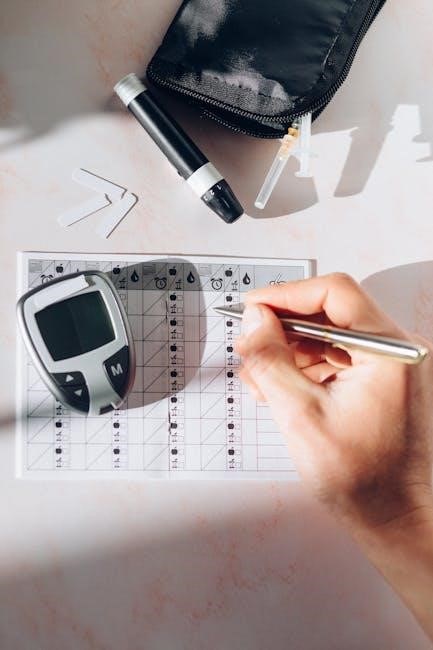
A dedicated space for insurance information (provider, group number, etc.) streamlines refill requests. Finally, a section for notes allows you to record any specific instructions from your doctor regarding refills or pharmacy communication. Maintaining this information proactively prevents delays and ensures continuous treatment.