Trazodone for Cats: A Comprehensive Guide (Updated April 21‚ 2026)
Trazodone‚ initially designed to combat human depression‚ is now a valuable tool in feline medicine․ This guide provides essential information regarding its use in cats‚
updated as of today‚ April 21‚ 2026․
Understanding the nuances of trazodone—a serotonin receptor antagonist and reuptake inhibitor (SARI)—is crucial for responsible pet ownership and effective treatment․
What is Trazodone and How Does it Work in Cats?
Trazodone hydrochloride is an antidepressant medication primarily used in human medicine‚ but increasingly utilized in veterinary practice‚ specifically for cats․ Originally developed to treat depression‚ its mechanism of action extends beyond simply elevating mood․ It functions as a serotonin receptor antagonist and reuptake inhibitor (SARI)‚ meaning it impacts serotonin levels within the brain․
In cats‚ trazodone doesn’t work as a traditional antidepressant․ Instead‚ it’s valued for its anxiolytic (anti-anxiety) and sedative properties․ It modulates serotonin‚ influencing mood and reducing anxiety without the same stimulating effects seen in some other antidepressants․ This makes it particularly useful for managing situational anxiety‚ like vet visits or thunderstorms․
The drug’s impact on serotonin receptors helps calm the feline nervous system‚ reducing fear and aggression․ While a precise dosage chart by weight is essential (and often found in downloadable PDF resources from veterinary sources)‚ understanding how it works provides context for its effectiveness and potential side effects․ It’s crucial to remember that trazodone is an off-label use in cats‚ meaning it’s not specifically FDA-approved for this purpose‚ but is commonly and safely prescribed by veterinarians․
Human Origins & Veterinary Application
Trazodone’s journey began in human medicine as a treatment for major depressive disorder․ Approved for human use decades ago‚ it gained recognition for its unique pharmacological profile as a serotonin antagonist and reuptake inhibitor (SARI)․ However‚ astute veterinarians observed its calming effects and began exploring its potential benefits for feline behavioral issues․
The transition from human to veterinary application wasn’t immediate․ It stemmed from recognizing that trazodone’s anxiolytic and sedative properties could address anxieties common in cats – fear during vet visits‚ stress from environmental changes‚ or aggression stemming from underlying anxiety․
While a precise dosage chart by weight (often available as a PDF from veterinary resources) is vital for safe administration‚ understanding its origins highlights why it’s used “off-label” in cats․ This means the FDA hasn’t specifically approved it for feline use‚ but veterinary experience and research support its efficacy and safety when used responsibly․ The availability of detailed dosage guidelines‚ often in PDF format‚ underscores the importance of veterinary guidance․
Common Uses for Trazodone in Feline Medicine
Trazodone has become a cornerstone in managing a variety of behavioral and situational anxieties in cats․ A primary application is pre-veterinary visit sedation‚ significantly reducing stress for both the cat and the veterinary team․ It’s also frequently employed to ease anxiety related to environmental changes‚ such as moving to a new home or introducing a new pet․
Furthermore‚ trazodone proves beneficial in managing feline aggression‚ particularly when rooted in fear or anxiety․ It can help calm cats exhibiting territorial aggression or those struggling with inter-cat conflict․ Pain management is another emerging use‚ as it can provide a calming effect that complements analgesic medications․
Crucially‚ determining the correct dosage chart by weight – often found in downloadable PDF guides from veterinary sources – is paramount․ While versatile‚ trazodone isn’t a cure-all; it’s most effective when integrated into a comprehensive behavioral modification plan guided by a veterinarian․
Behavioral Issues Addressed by Trazodone
Trazodone demonstrates remarkable efficacy in mitigating a spectrum of feline behavioral challenges․ Prominently‚ it aids in managing situational anxiety‚ such as that experienced during car rides or thunderstorms‚ offering a calming effect․ Cats displaying separation anxiety often benefit from its use‚ reducing distress when left alone․
Furthermore‚ trazodone can be instrumental in addressing aggressive behaviors stemming from fear or frustration․ This includes redirecting aggression towards other pets or humans․ It’s also valuable for cats exhibiting excessive vocalization linked to anxiety or cognitive dysfunction․
However‚ successful treatment necessitates a tailored approach․ A veterinarian will utilize a dosage chart by weight – often available as a PDF resource – to establish the appropriate dose․ Remember‚ trazodone is most effective when combined with environmental enrichment and behavioral modification techniques‚ not as a standalone solution․
Understanding Trazodone’s Mechanism of Action in Cats
Trazodone‚ classified as a serotonin receptor antagonist and reuptake inhibitor (SARI)‚ exerts its calming effects through a complex interplay with neurotransmitters in the feline brain․ Primarily‚ it modulates serotonin levels‚ a key regulator of mood and anxiety․ Unlike some other antidepressants‚ trazodone has minimal impact on dopamine levels‚ reducing the risk of certain side effects․
By blocking specific serotonin receptors‚ it diminishes the overstimulation often associated with anxiety․ Simultaneously‚ inhibiting serotonin reuptake prolongs its availability in the synaptic cleft‚ enhancing its calming influence․ Determining the correct dosage‚ often guided by a chart by weight (available in PDF format from veterinary resources)‚ is crucial for achieving this balance․
It’s important to note that trazodone’s effects are not immediate; it typically takes several hours to reach peak concentration and demonstrate noticeable behavioral changes․
Potential Side Effects of Trazodone in Cats
While generally considered safe‚ trazodone can induce side effects in cats‚ varying in severity․ Common‚ milder reactions include sedation‚ decreased appetite‚ and vomiting․ Owners might observe increased vocalization or clumsiness‚ particularly at higher dosages․ These effects are often transient and resolve as the cat adjusts to the medication․
However‚ more serious side effects necessitate immediate veterinary attention․ These include prolonged vomiting or diarrhea‚ difficulty breathing‚ signs of liver dysfunction (jaundice‚ lethargy)‚ or unusual behavioral changes like aggression․ A dosage chart by weight‚ often available as a downloadable PDF from reputable veterinary sources‚ helps minimize risks․
Careful monitoring post-administration is vital․ Always consult your veterinarian if you observe any concerning symptoms‚ and never adjust the dosage without professional guidance․
Mild Side Effects & Management
Many cats experience mild‚ manageable side effects with trazodone․ Sedation is common‚ often appearing as increased sleepiness or a general lack of energy․ Decreased appetite can occur‚ but usually resolves within a few days․ Occasional vomiting or diarrhea is also reported‚ typically mild and self-limiting․
Managing these effects often involves simple adjustments․ Ensure fresh water is always available‚ and offer highly palatable food in small‚ frequent meals․ If sedation is excessive‚ discuss a potential dosage adjustment with your veterinarian․ A reliable dosage chart by weight‚ frequently found as a PDF resource online‚ can aid in accurate administration․
Close observation is key․ If mild side effects persist or worsen‚ or if new symptoms develop‚ consult your vet․ Never attempt to self-treat or alter the dosage without professional advice․
Serious Side Effects – When to Contact a Vet
While trazodone is generally safe‚ serious side effects‚ though rare‚ require immediate veterinary attention․ Prolonged vomiting or diarrhea‚ especially if containing blood‚ is a critical concern․ Difficulty breathing‚ rapid heart rate‚ or pale gums indicate a potentially life-threatening reaction․
Neurological signs like seizures‚ tremors‚ or incoordination demand urgent care․ Additionally‚ signs of serotonin syndrome – agitation‚ hyperthermia‚ dilated pupils – are emergencies․ Always have your veterinarian’s contact information readily available․
Incorrect dosage‚ even when referencing a dosage chart by weight (available as a PDF download from reputable sources)‚ can contribute to adverse reactions․ If you suspect an overdose or observe any concerning symptoms‚ do not wait․ Prompt veterinary intervention is crucial for a positive outcome․
Trazodone Dosage for Cats: A Detailed Chart
Accurate dosing is vital; a trazodone dosage chart by weight (available as a PDF) provides general guidelines․ Always consult your veterinarian for personalized adjustments․
Dosage Chart by Weight (General Guidelines)
Please note: The following chart offers general guidelines only․ Always confirm the appropriate dosage with your veterinarian‚ as individual cat needs vary significantly based on condition severity‚ metabolism‚ and other health factors․ A downloadable PDF version of this chart is available for convenient reference‚ ensuring you have the information readily accessible․
| Cat Weight (lbs) | Typical Dosage Range (mg) |
|---|---|
| 5-8 lbs | 25-50 mg |
| 9-12 lbs | 50-75 mg |
| 13-16 lbs | 75-100 mg |
| 17-20 lbs | 100-125 mg |
| 21+ lbs | 125-150 mg |
These dosages are typically administered once or twice daily․ The PDF chart includes important disclaimers and emphasizes the necessity of veterinary oversight․ Remember‚ this is a starting point‚ and adjustments are frequently required․
Dosage Adjustments Based on Condition Severity
While the weight-based chart provides a foundation‚ trazodone dosage often requires fine-tuning based on the specific condition being treated and its severity․ A comprehensive PDF guide‚ available for download‚ details these adjustments‚ emphasizing the importance of close veterinary monitoring․
For mild anxiety related to vet visits‚ a lower dose within the weight range may suffice․ However‚ cats experiencing severe thunderstorm phobia or significant separation anxiety typically require higher doses‚ potentially nearing the upper limit of the recommended range․
Cats with liver or kidney issues may necessitate reduced dosages to prevent drug accumulation and potential toxicity․ Conversely‚ cats on multiple medications might require dosage adjustments to avoid adverse interactions․ The downloadable PDF resource outlines common scenarios and provides guidance‚ but never alter the dosage without explicit veterinary approval․ Careful observation and communication with your vet are paramount․
Administering Trazodone to Your Cat
Successfully giving trazodone to your feline companion requires patience and a strategic approach․ The downloadable PDF dosage chart often includes administration tips․ Most trazodone is prescribed in tablet form‚ which can be challenging․
Direct pilling should only be attempted if your cat tolerates it; otherwise‚ explore alternative methods․ Pill pockets‚ commercially available treats with a hollow center‚ are a popular option․ Alternatively‚ compounding pharmacies can formulate trazodone into a flavored liquid or transdermal gel‚ simplifying administration․
Always follow your veterinarian’s instructions precisely․ If using a pill pocket‚ ensure your cat consumes the entire treat to receive the full dose․ With liquid formulations‚ use the provided syringe or dropper for accurate measurement․ Consistency is key; establish a routine to minimize stress for both you and your cat․ A detailed guide within the PDF can assist with these techniques․
Pill Pockets & Compounding Options
When trazodone administration proves difficult‚ pill pockets offer a palatable solution․ These commercially available treats effectively conceal the medication‚ encouraging voluntary consumption․ However‚ ensure your cat ingests the entire pocket to receive the correct dosage‚ as detailed in the PDF chart․
For cats who refuse pills or pill pockets‚ compounding provides a tailored alternative․ Compounding pharmacies can transform trazodone tablets into flavored liquids or even transdermal gels applied to the inner ear․ This bypasses the challenges of oral administration․
The PDF dosage guide often lists reputable compounding pharmacies․ Transdermal gels require a prescription and careful application to ensure proper absorption․ Discuss these options with your veterinarian to determine the most suitable method for your cat‚ considering their temperament and medical history․ Remember‚ accurate dosing‚ guided by the PDF‚ is paramount․
Combining Trazodone with Other Medications
Careful consideration is vital when combining trazodone with other medications‚ as interactions can occur․ The PDF dosage chart doesn’t typically detail interactions‚ so veterinary consultation is essential․ Trazodone can potentiate the effects of other sedatives or anesthetics‚ requiring dosage adjustments․
Specifically‚ combining trazodone with other serotonin-affecting drugs – like certain antidepressants or pain medications – carries a risk of serotonin syndrome‚ a potentially life-threatening condition․ Always inform your veterinarian of all medications and supplements your cat receives‚ including over-the-counter remedies․
Your vet will assess potential risks and benefits before prescribing trazodone alongside other drugs․ They may recommend monitoring for adverse effects or adjusting dosages accordingly․ The PDF guide serves as a starting point for dosage‚ but individual needs and drug interactions always take precedence․ Prioritize open communication with your veterinary team․
Potential Drug Interactions to Be Aware Of
While a trazodone dosage chart by weight PDF provides essential dosing information‚ it won’t detail potential drug interactions․ Trazodone‚ as a serotonin receptor antagonist and reuptake inhibitor‚ can interact with several medications․ Concurrent use with other serotonergic drugs – including SSRIs‚ SNRIs‚ and tricyclic antidepressants – elevates the risk of serotonin syndrome․
Furthermore‚ caution is advised when combining trazodone with other central nervous system depressants like opioids‚ benzodiazepines‚ or antihistamines‚ as additive sedative effects can occur․ Nonsteroidal anti-inflammatory drugs (NSAIDs) may also warrant careful monitoring when used alongside trazodone․
Always provide your veterinarian with a complete list of your cat’s medications‚ supplements‚ and any known allergies․ They can assess potential interactions and adjust the trazodone dosage or recommend alternative treatments to ensure your cat’s safety and well-being․ Proactive communication is key․
Monitoring Your Cat on Trazodone
Regular observation after administering trazodone is vital‚ even with a precise dosage from a chart by weight PDF․ Note any behavioral changes or adverse reactions promptly․
What to Observe After Administration
Following trazodone administration‚ diligent monitoring of your cat is paramount‚ regardless of the dosage determined by a weight-based PDF chart․ Initially‚ observe for signs of sedation – this is often the intended effect‚ but excessive drowsiness warrants attention․ Look for changes in coordination; stumbling or appearing unusually clumsy could indicate an adverse reaction․
Monitor your cat’s appetite and water intake․ A temporary decrease is not uncommon‚ but prolonged inappetence requires veterinary consultation․ Pay close attention to litter box habits; both diarrhea and constipation can occur․ Note any behavioral shifts‚ such as increased vocalization‚ hiding‚ or aggression․
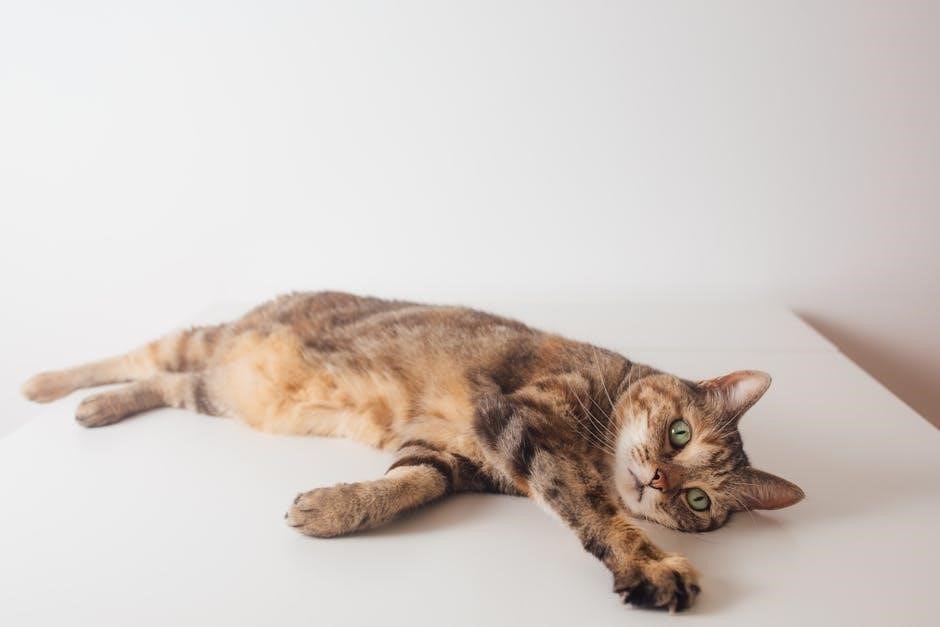
Specifically‚ watch for signs of serotonin syndrome‚ though rare‚ it’s serious․ Symptoms include agitation‚ rapid heart rate‚ and muscle tremors․ Document all observations‚ including the time of administration and any noted effects‚ to provide a comprehensive report to your veterinarian if needed․ A detailed record aids in dosage adjustments and ensures your cat’s safety․
Long-Term Use & Monitoring Requirements
Prolonged trazodone use in cats‚ guided by a PDF dosage chart based on weight‚ necessitates regular veterinary check-ups․ While effective for chronic anxiety or behavioral issues‚ long-term effects require careful assessment․ Routine bloodwork – including a complete blood count and chemistry panel – is crucial to monitor organ function‚ particularly liver and kidney health․
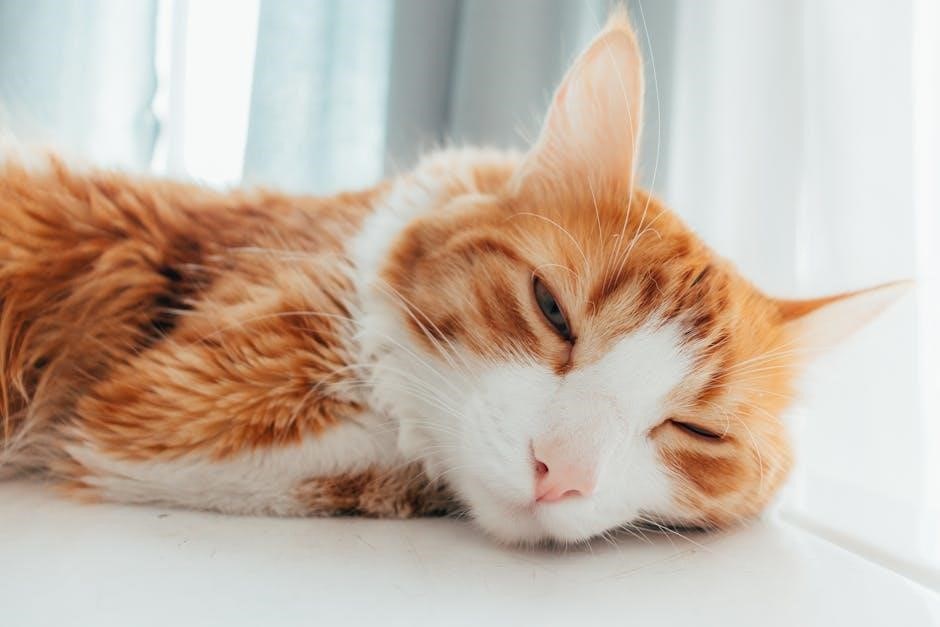
Your veterinarian may recommend periodic monitoring of blood pressure‚ as trazodone can sometimes cause hypotension․ Behavioral observations should continue; note any changes in effectiveness or the emergence of new concerns․ Dosage adjustments may be necessary over time‚ based on your cat’s response and overall health status․
Discuss potential tolerance development with your vet․ Suddenly discontinuing trazodone can lead to rebound anxiety or withdrawal symptoms‚ so tapering the dose under veterinary supervision is essential․ Consistent communication with your veterinarian is key to ensuring safe and effective long-term management․
Finding Reliable Trazodone Dosage Resources (PDF Downloads)
Accessing accurate trazodone dosage information for cats‚ often available as a convenient PDF chart by weight‚ is paramount for safe administration․ Avoid relying solely on online forums or unverified sources․ Your veterinarian is the primary source for a tailored dosage plan․
However‚ several reputable veterinary organizations offer downloadable resources․ The American Association of Feline Practitioners (AAFP) and veterinary teaching hospitals frequently publish guidelines․ Search their websites for “trazodone dosage cats PDF”․
Additionally‚ many veterinary compounding pharmacies provide dosage charts specific to their formulations․ Always confirm the information aligns with your veterinarian’s instructions․ Be wary of generic charts lacking veterinary oversight․ Ensure the PDF is current (updated April 21‚ 2026‚ or later) and clearly outlines dosage ranges based on weight and condition․ Prioritize resources from trusted veterinary professionals․